
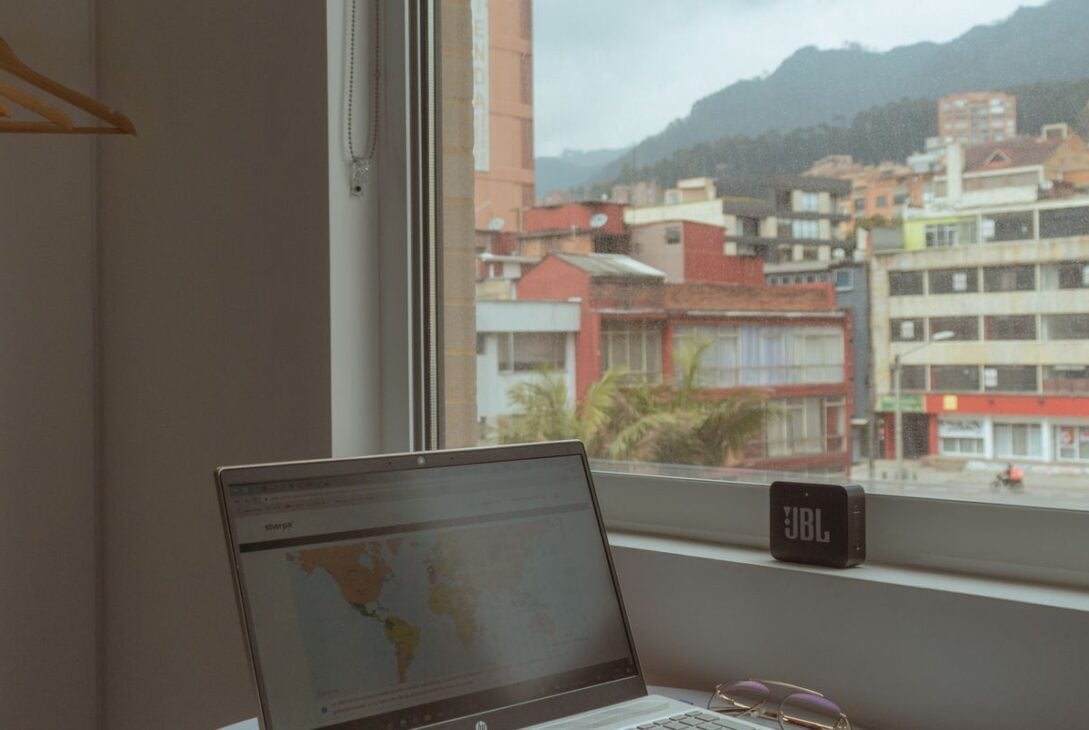
Digital nomad life looks glamorous online, but constant movement is tiring. Packing every few days, learning a new neighborhood, and hunting for a decent internet connection can eat into your work and your energy. Many remote workers now prefer slow travel: staying in one place for a month or two, building a routine, and exploring at a relaxed pace. The key decision is choosing the right base. This guide shows how to compare places sensibly.
Why Slow Travel Suits Remote Work
- Lower stress: fewer travel days and less repeated logistics
- Better productivity: a stable workspace and routine
- Lower costs: monthly rentals are often cheaper per night than short stays, and you spend less on transport
- Deeper experience: you get to know a place, its people, and its daily rhythm
Step 1: Decide What You Need From a Base
Before browsing destinations, write down your priorities. Rank these from most to least important:
- Reliable internet for video calls
- Budget, including accommodation, food, and local transport
- Time zone overlap with clients or colleagues
- Climate and season
- Safety and healthcare access
- Quiet space to focus
- Community, including other remote workers or people who share your interests
- Food that suits your diet, and the cultural environment you feel comfortable in
Your list will immediately narrow the field.
Step 2: Check the Legal Basics First
Do this before you fall in love with a destination.
- Entry rules: check visa requirements for your nationality, how long you may stay, and whether the rules allow remote work for a foreign employer or clients. Tourist status often does not permit work in some countries.
- Special visas: some countries offer remote-worker or long-stay visas with income requirements and fees. Read the official government pages, since details change often.
- Passport validity and health requirements: check them early.
- Insurance: look at travel and health coverage that fits a two-month stay.
Always rely on official sources, and consider professional advice for complicated situations.
Step 3: Compare Cost of Living Honestly
Build a simple monthly budget for each candidate city:
- Accommodation for 30 to 60 days
- Food, both groceries and eating out
- Local transport
- Coworking or café costs, if needed
- Phone and internet
- Insurance and visa fees
- A buffer of 10 to 15 percent for surprises
Include the cost of getting there and onward. A cheap monthly rent can be offset by expensive flights.
Step 4: Test the Internet Before You Commit
Internet quality can make or break remote work. Ask hosts for recent speed test screenshots, read reviews that mention connectivity, and check whether the accommodation has a dedicated workspace. Learn how to get a local SIM or eSIM as a backup. If your income depends on video calls, treat this as a non-negotiable requirement.
Step 5: Think About Time Zones
Look at where your clients and colleagues are. A destination whose working day overlaps with yours by at least a few hours will make life easier. If you must work in the middle of the night, the trip may not be sustainable.
Step 6: Research Safety and Local Customs
- Read official travel advice for the country.
- Learn about local laws and customs, including dress norms, behavior in public, and respect for religious practices and holidays. Following local etiquette makes you a welcome guest.
- Find out which neighborhoods are suitable for long-term stays and which to avoid.
- Save emergency numbers and locate the nearest clinic or hospital.
Step 7: Choose Accommodation Wisely
- Monthly rentals: look for listings that offer long-stay discounts, and ask about utilities and cleaning.
- Furnished apartments or serviced residences: convenient for short commitments.
- Workspace: check for a proper desk and a comfortable chair, or plan to use a coworking space.
- Location: aim for walking distance to groceries, a pharmacy, and a quiet place to work.
- Safety against scams: use reputable platforms, read recent reviews, and avoid paying large sums by unusual methods. Do not send money before verifying the listing.
Step 8: Plan Your Arrival
Book a few nights in a short-term place first, then look at long-term options in person if possible. This lets you check noise, internet, and the neighborhood before committing for weeks. Many people negotiate better monthly rates once they have seen a place.
Step 9: Build a Routine Quickly
- Set regular working hours, and stick to them.
- Find a morning walk, a favorite café, and a grocery shop.
- Schedule time to explore, such as one afternoon or weekend outing each week.
- Keep in touch with family and friends at home.
- Join local classes or community groups to meet people.
A Simple Scoring Method
Create a small table of your top three or four cities. For each of your priorities, score the city from one to five, and multiply by how important that priority is to you. The totals will not make the decision for you, but they will make trade-offs visible.
Common Mistakes
- Choosing a destination for photos rather than practical needs
- Ignoring visa and work rules
- Underestimating internet problems
- Booking two months of accommodation without a trial stay
- Forgetting health insurance
- Planning too many places in too little time
Frequently Asked Questions
How long should a slow-travel stay be?
Many remote workers find one to three months a good balance. Longer stays may trigger tax or residency questions, so check the rules.
Is it cheaper than moving every week?
Usually, yes, because of monthly rental discounts and fewer transport costs.
What if I do not like the place?
Book the first stay with a flexible cancellation policy, and keep an alternative in mind.
How do I find other remote workers?
Coworking spaces, community groups, and local classes are good starting points.
The Takeaway
Choose a base by listing your priorities, checking legal rules, comparing real costs, testing internet, and respecting local customs. Start with a short trial stay, then settle into a routine. This article is general information, so check official government sources and consult professionals for visa, tax, and insurance questions.