
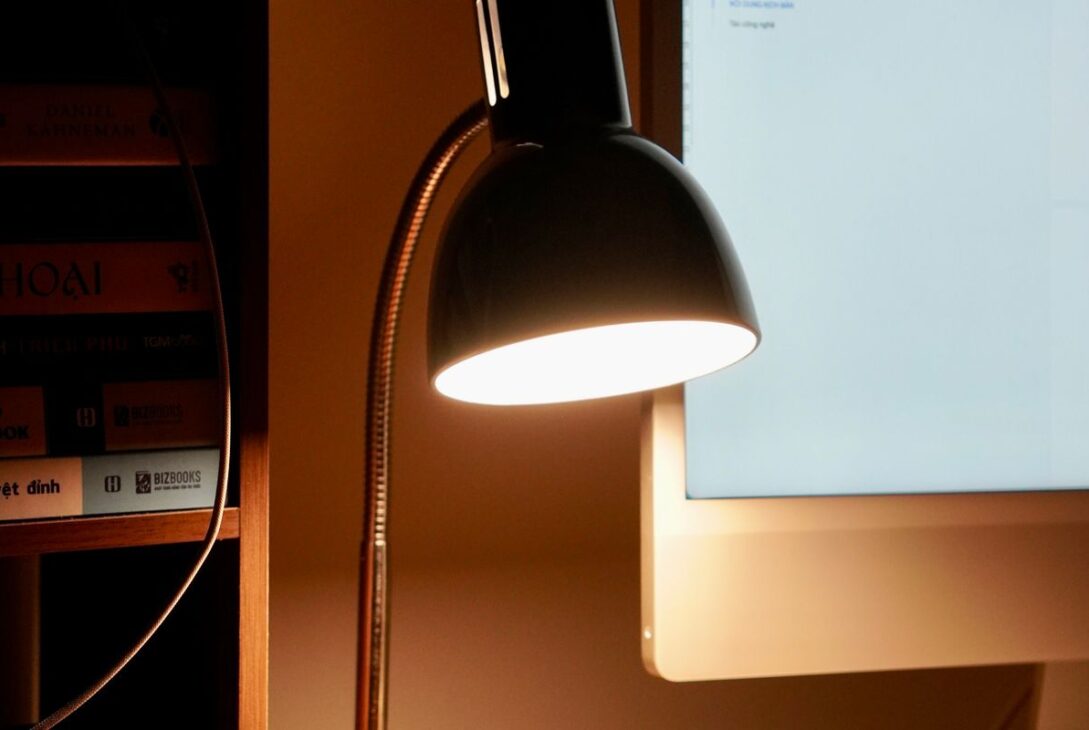
When your kitchen table is also your desk, the workday has no natural end. There is no commute to mark the finish, no office door to close, and the laptop is always one glance away. Many people who work from home end up working longer, resting less, and feeling like they are never fully off. Boundaries do not appear by themselves. You have to build them, and a few simple rules go a long way.
Why Boundaries Matter
Without clear limits, work spreads into meals, evenings, and weekends. Over time this can lead to tiredness, irritability, strained relationships, and lower-quality work. Boundaries protect your energy, your time with family, and your ability to concentrate when you are working. They are not a sign of low commitment. They are what makes sustainable effort possible.
Boundary 1: Set Fixed Working Hours
Decide when your day starts and ends, and write it down.
- Choose start and finish times that fit your job and your natural energy.
- Include a proper break for lunch and prayer, rest, or a walk, whatever suits you.
- Share your hours with your manager, colleagues, clients, and household.
- Set a calendar reminder for the end of the day.
Some flexibility is normal, but a default schedule gives you something to return to.
Boundary 2: Create a Physical Border
If you can, dedicate a specific spot to work, even if it is only a corner of a room.
- Use the same chair and desk for work, and not for relaxing.
- If you have no spare space, create a “work setup” you can pack away, such as a box for your laptop and notebook.
- When the day ends, close the laptop, put it out of sight, and tidy the surface.
Putting work away makes the end of the day feel real.
Boundary 3: Create a Start and End Ritual
A commute used to separate home from work. Replace it with a short routine:
- Starting: get dressed for the day, make a drink, take a short walk, and review your top three tasks.
- Ending: write tomorrow’s priorities, close your tabs, and take a short walk or change your clothes.
These cues tell your brain when to switch modes.
Boundary 4: Manage Notifications
- Turn off work email and chat notifications on your personal phone after hours, or remove the apps.
- Use “do not disturb” or focus modes with an exception for real emergencies.
- Check messages at set times during the day instead of reacting to every ping.
If your role requires on-call availability, agree on what counts as urgent and how people should reach you.
Boundary 5: Communicate Clearly
People cannot respect limits they do not know about.
- Add your working hours to your email signature and calendar.
- Use an out-of-hours message if needed: “I reply to messages during working hours and will respond on the next working day.”
- Tell your manager what you can deliver and by when, and raise concerns early if the workload is not realistic.
- Resist the urge to reply instantly late in the evening, because it teaches others to expect it.
Boundary 6: Set Rules With Your Household
People you live with may assume you are available because you are home.
- Explain your working hours and which times you should not be interrupted.
- Agree on a signal, such as a closed door or a sign, for focus time.
- Share chores fairly so that working from home does not mean doing all the housework.
- If you care for children or relatives, plan realistic work blocks around their needs, and speak with your employer about flexibility.
Boundary 7: Protect Your Breaks
- Step away from your desk for meals, and avoid eating while scrolling or working.
- Take short movement breaks during the day.
- Get fresh air or sunlight when you can.
Breaks are not wasted time. They restore your focus.
Boundary 8: Guard Your Evenings and Weekends
- Plan something enjoyable after work, such as a walk, a meal with family, or a hobby, so that the evening has a purpose.
- Keep work devices out of the bedroom.
- Decide in advance what, if anything, justifies weekend work.
- Use your leave days to rest fully.
When Boundaries Are Hard to Keep
- A demanding manager or culture: have a calm conversation about expectations, using specific examples. If there is a mismatch, consider seeking support from HR or a trusted mentor.
- Guilt about stopping: remind yourself that rested people do better work. Track results, not hours.
- Different time zones: agree on a few overlap hours and rely on written updates for the rest.
- Job insecurity: clear communication and reliable output often protect you better than constant availability.
A Simple Starter Plan
- Choose your working hours and tell the people involved.
- Pick a start and end ritual.
- Turn off work notifications after hours.
- Put your work equipment away at the end of each day.
- Review after two weeks, and adjust what is not working.
Frequently Asked Questions
What if I do my best work late at night?
That can be fine if you also protect sleep and rest, and your role allows it. The point is to choose your hours deliberately, not let work drift on endlessly.
Is it rude to ignore messages after hours?
Not when expectations are clear. Reasonable employers understand that people need rest, and an out-of-hours message sets expectations politely.
How do I stop thinking about work at home?
Write down unfinished tasks before you stop so your mind can let go, and use your end-of-day ritual consistently. If worry about work is constant and overwhelming, speak with a qualified health professional.
The Takeaway
Boundaries turn a home that is always at work into a home that sometimes hosts work. Fix your hours, mark the start and end of the day, quiet your notifications, and tell people what to expect. This article is general wellbeing information and is not medical advice.