
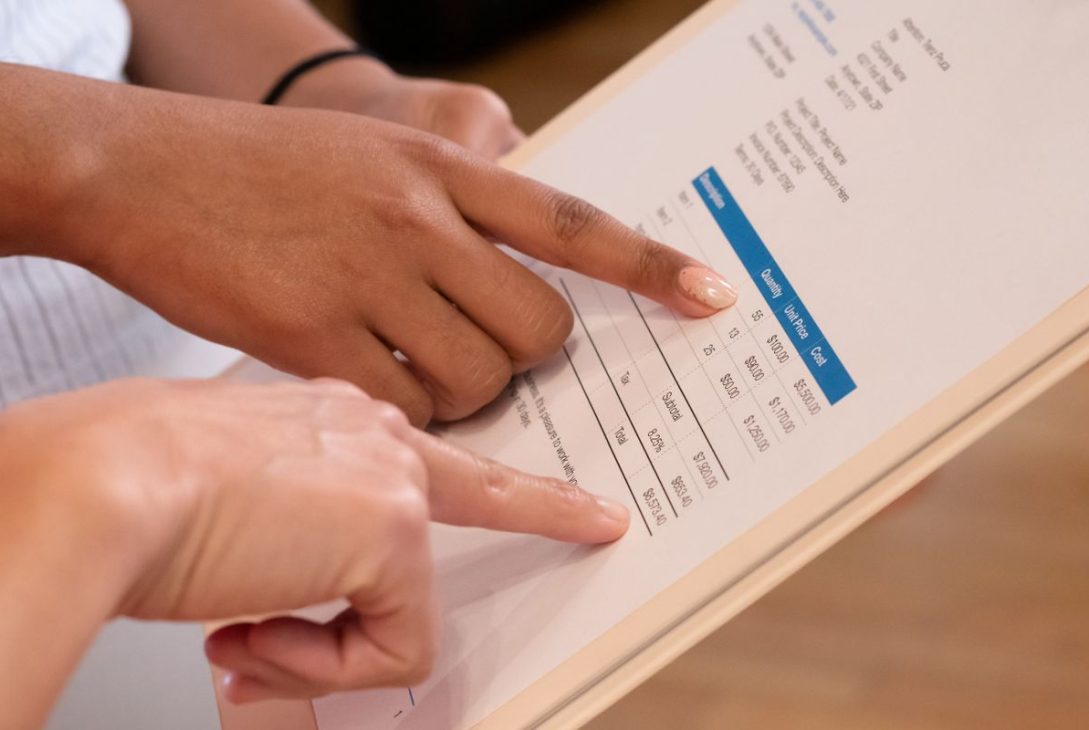
You finished the work, delivered it on time, and sent the invoice. Then the due date passes and nothing arrives. Late payment is one of the most stressful parts of freelancing, because it affects your rent, your plans, and your confidence. The good news is that most late payments can be prevented, and the rest can be handled calmly and professionally.
Why Clients Pay Late
Before assuming bad intent, remember that most delays come from ordinary causes:
- The invoice went to the wrong person or got lost in an inbox
- The client’s accounting team runs payments on a fixed schedule
- Approval is waiting on someone who is on leave
- Information is missing, such as a purchase order number or bank detail
- The client has a real cash flow problem
- In rare cases, the client has no intention of paying
Knowing the likely reason helps you choose the right response.
Prevention: Set Yourself Up Before the Work Starts
Agree Terms in Writing
Use a written agreement or proposal that states the price, scope, payment schedule, and due date. “Payment within 14 days of invoice” is clearer than “payment on completion.” Both sides should confirm it before work begins.
Ask for a Deposit
For new clients and larger projects, request a deposit before you start. It filters out unserious clients and gives you some protection if the project stalls.
Break Big Projects Into Milestones
Instead of one large payment at the end, invoice in stages, such as on signing, after the first draft, and on delivery. You carry less risk at any one time, and problems appear early.
Collect the Right Details
Ask for the exact name of the company, the invoice recipient, any purchase order number, and the preferred payment method. Many delays vanish when the invoice reaches the right person the first time.
Make Invoices Easy to Pay
- Include a clear invoice number, date, due date, and itemized description.
- List every accepted payment method with full details.
- Send the invoice immediately after delivery or milestone completion.
- Confirm that the client received it.
When a Payment Is Late: A Step-by-Step Response
Step 1: Check Your Own Side
Verify that the invoice was sent to the right address, the details are correct, and the due date has truly passed. A quick check avoids embarrassing mistakes.
Step 2: Send a Friendly Reminder
Do this on the day after the due date or within a few days. Keep the tone neutral and helpful. For example:
“Hi Sam, I am following up on invoice 1042, which was due on the 15th. I have attached a copy in case it is easier to find. Could you let me know when I can expect payment?”
Step 3: Follow Up Directly
If there is no reply in a few days, send a second message or make a phone call. Ask whether anything is blocking payment and whether you can help resolve it. A voice call often clears issues faster than another email.
Step 4: Be More Formal
If the invoice remains unpaid, send a firm written reminder stating the amount, the original due date, and a specific new date by which you expect payment. Reference the signed agreement. Stay factual and avoid anger or accusations.
Step 5: Pause Further Work
If the project is ongoing, you can politely say you will resume as soon as payment is received. Make sure your agreement allows this, and keep the message calm: “To keep the schedule on track, I will pause until the outstanding invoice is settled.”
Step 6: Consider Formal Options
If the client still does not pay, look at the options available where you live. These may include a formal demand letter, mediation, a small claims process, or a debt collection service. Rules, costs, and time limits differ widely, so speak to a legal adviser or a local freelancers’ association before taking action. Keep all emails, contracts, and records in one place.
A Note on Late Payment Clauses
Some freelancers add a clause covering late payment. If you choose to, keep it clear, fair, and agreed in advance, and ask a legal professional to check that it is valid where you live. Many freelancers find that firm deadlines, deposits, and prompt reminders do more than penalties ever do.
Protecting Your Cash Flow in the Meantime
- Keep a cash reserve that covers a few weeks of expenses.
- Avoid depending on one client for most of your income.
- Track invoices in a simple sheet with due dates and status.
- Schedule a weekly time slot to chase overdue payments.
What to Say and What to Avoid
- Do: stay polite, stick to facts, and always give a specific date.
- Do: keep a written record of every conversation.
- Avoid: threats, insults, or public complaints on social media.
- Avoid: handing over final files before payment when your agreement says otherwise.
Frequently Asked Questions
How soon should I follow up on a late invoice?
A gentle reminder within a few days of the due date is reasonable. Waiting weeks gives the impression the invoice is not urgent.
Can I keep the files until I am paid?
That depends on your agreement. Many freelancers release final files only after full payment. State this in the contract from the start.
Should I keep working with a client who pays late?
Occasional delays can be forgiven. A repeated pattern suggests you should require upfront payment or end the relationship.
What if the client disputes the invoice?
Ask for specifics, compare the complaint against the agreed scope, and look for a fair solution, such as fixing an issue or adjusting the amount. Document the agreement in writing.
The Takeaway
Most payment problems are prevented by clear terms, deposits, milestones, and well-addressed invoices. When delays happen, respond early, politely, and in writing, and escalate step by step. This article is general information and not legal advice, so consult a qualified professional about the options available in your country.