
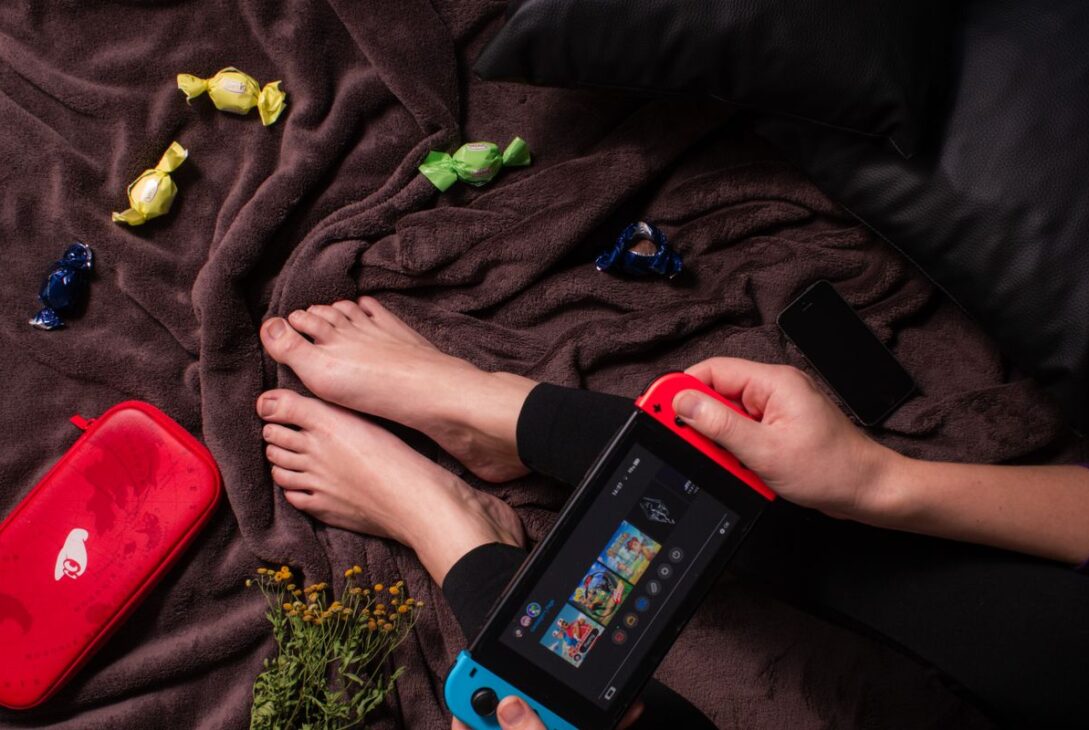
Not every game wants to test your reflexes or push you to win. A growing group of titles invites you to tend a garden, decorate a room, solve a gentle puzzle, or wander through a peaceful world at your own pace. These are often called cozy games, and their popularity has grown steadily across all ages. Here is what defines them, why they appeal to so many people, and how to find ones that fit you.
What Makes a Game “Cozy”?
There is no official definition, but cozy games usually share several traits:
- Low stakes. Failure is rare, mild, or impossible. You are rarely punished harshly for mistakes.
- Gentle pacing. You choose the speed. There are few countdown timers or sudden demands.
- Soft, warm visuals and music. Calm colors and soothing sound set the mood.
- Satisfying small tasks. Watering plants, arranging objects, cooking, crafting, or sorting items feels pleasant on its own.
- Welcoming tone. Characters are friendly, and the world feels safe.
Common Types of Cozy Games
- Farming and life simulations: grow crops, care for animals, and build relationships over seasons.
- Decorating and building games: design rooms, gardens, or small towns with no rush.
- Gentle puzzle games: relaxing challenges without time limits.
- Crafting and cooking games: follow a recipe or craft items for customers.
- Exploration and story games: walk through beautiful places, meet characters, and uncover small stories.
- Collection and creature-care games: gather items, nurture pets, or document wildlife.
Why Cozy Games Are So Popular
They Offer a Break From Pressure
Many people spend their day juggling work, study, and family demands. Coming home to a game that asks for little stress can feel like an exhale. For players who find competitive games anxious or exhausting, a cozy alternative is welcome.
They Welcome Everyone
Simple controls, forgiving mechanics, and no need for fast reactions make these games accessible to beginners, older adults, and people who have never considered themselves gamers. Families often enjoy them together.
They Fit Busy Lives
Many cozy games work in short sessions. Ten or fifteen minutes can be enough to complete a task, check on your garden, or finish a small puzzle, with no need to commit to a long match.
Independent Developers Can Make Them
Cozy games rely on charm, art style, and a clear idea rather than enormous budgets. Small teams and even individual developers can make them, which has led to a wide variety of creative and personal titles.
They Spread by Word of Mouth
Screenshots of pretty rooms and tiny gardens are easy to share, and players enjoy swapping tips and showing off their creations. That community side helps new players discover them.
Potential Benefits (and an Honest Caveat)
Many players report that cozy games help them relax, unwind after a busy day, and feel a sense of accomplishment through small, achievable tasks. Some research suggests that enjoyable, low-pressure games can lift mood in the short term, though results vary from person to person. A game is entertainment, not a treatment. If you are struggling with persistent stress, low mood, or anxiety, speak with a qualified health professional and treat gaming as one pleasant part of a wider routine.
How to Choose a Cozy Game
- Pick a theme you like. Gardening, cooking, decorating, and exploring appeal to different people.
- Check the pace. Read descriptions and reviews to see if progress depends on timers or daily logins.
- Look at the business model. A one-time purchase is often calmer than a free game that pushes you to spend. Be cautious about randomized paid items and constant reminders.
- Check the content and rating. Cozy does not automatically mean suitable for every age. Read the content descriptors.
- Watch a short video. Footage of real gameplay shows whether the style and controls suit you.
- Try a demo. Many developers offer free samples.
Watch for “Cozy” Games That Are Not Relaxing
Some games use a gentle look while applying pressure underneath. Warning signs include:
- Rewards that disappear if you do not log in every day
- Long waiting periods that you can skip only by paying
- Constant pop-ups urging purchases
- Endless grinding to unlock basic features
If a game leaves you feeling obliged instead of relaxed, it may be time to move on.
How to Play Mindfully
- Set a loose time limit so a relaxing hour does not stretch into the early morning.
- Play in a comfortable position with good lighting, and take breaks to rest your eyes.
- Use the game as a pause between tasks, not a way to avoid responsibilities.
- Share your progress with friends or family. Social connection adds to the enjoyment.
- Play at your own pace. There is no need to complete everything.
Cozy Games for Families
Many cozy games work well for parents and children together, since they involve cooperation and creativity rather than competition. Check ratings and chat features, turn off online interaction for younger children, and play together when you can. Building a house or arranging a garden can lead to fun conversations about planning and sharing.
Frequently Asked Questions
Are cozy games only for beginners?
No. Plenty of experienced players enjoy them as a counterweight to intense games. Some also include deep systems for those who want more depth.
Can cozy games be played on any device?
They are available on consoles, computers, handheld devices, and phones. Check which platforms a game supports before buying.
Do cozy games have any violence?
Most avoid it, but not all. Read the rating and descriptions to confirm.
Are cozy games a good way to relax before bed?
They can be calmer than action games, but screens close to bedtime can still delay sleep. Leave a gap before you go to bed.
The Takeaway
Cozy games offer gentle goals, welcoming worlds, and the freedom to play at your own pace. They are popular because they meet a real need for calm, accessible entertainment. Choose ones that respect your time and wallet, and enjoy them as one part of a balanced life. This article is general information and not health advice.